
Feature Story

Issue 92. Vol 1- (April 2026)
Tools to reset your health
The Greek philosopher and polymath Aristotle once wrote: “In all things of nature there is something of the marvellous”. Centuries later, his observation still rings true and there is a growing body of evidence that regular exposure to nature can have a profound effect on a person’s overall wellbeing.
Nature has often been dubbed the “antidote for stress”, with this research suggesting that spending at least 120 minutes a week communing with nature is enough to lower your risk of cardiovascular disease, obesity, diabetes, and asthma hospitalisation. It also reduces anxiety, lifts mood, sparks creativity, increases concentration and cognitive performance in adults, and supports cognitive and behavioural development in children.
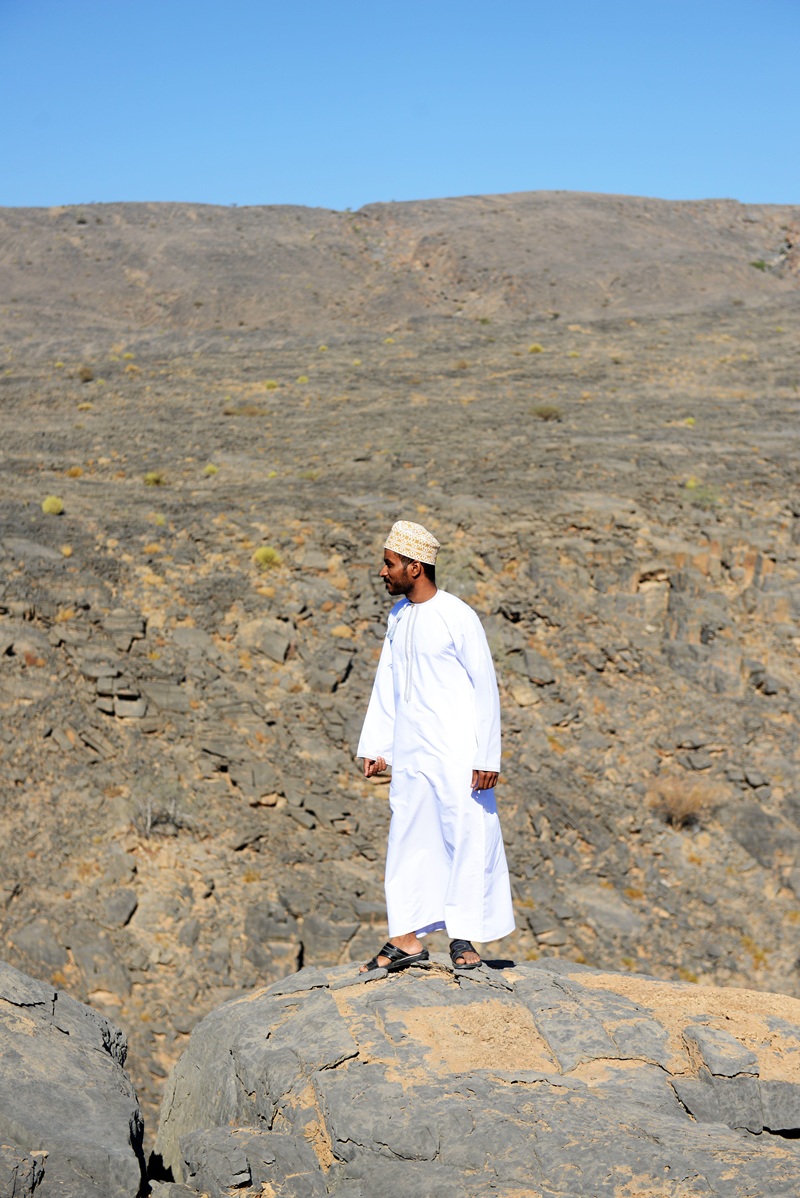
And since the coronavirus pandemic in 2020, ecotherapy and outdoor-based wellness activities have seen a resurgence in popularity as people all over the world – at the height of lockdown – were forced to go back to nature or urban greenspaces to stay active, shunning gyms and indoor leisure centres to curb virus transmission.
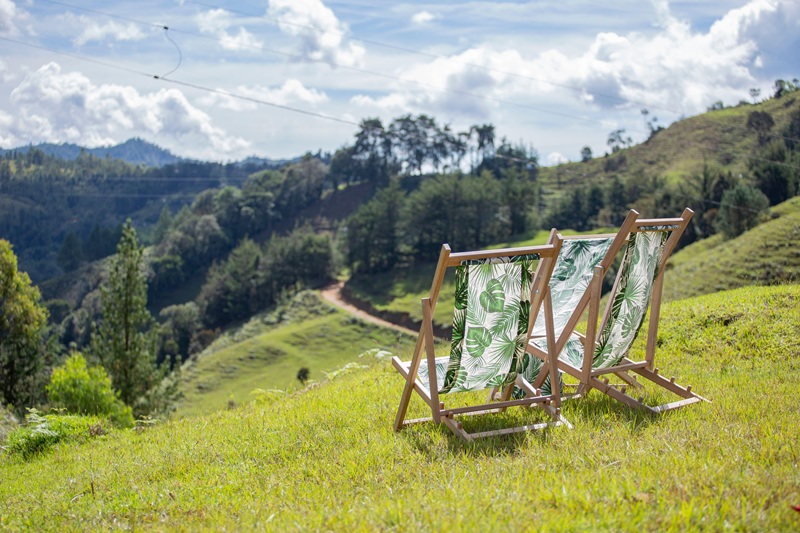
It’s in our nature
But aside from the documented benefits of spending time in the great outdoors, there is something in our DNA that seems to draw us back to nature, according to a study published in 2025.
The research argues that industrialisation has rapidly transformed the world around us that our biology can’t keep up. This mismatch has led to heightened anxiety, disrupted sleep, elevated blood pressure, impaired immunity, and declines in fertility.
“Day-to-day, chronic background noise, crowds, traffic, digital overstimulation and limited access to natural spaces keep the stress response system switched on,” according to authors Colin Shaw from the University of Zurich, and Daniel Longman from Loughborough University. “These daily stressors accumulate and have real biological consequences.”
They noted that societies must take active steps to reduce these pressures by strengthening connections to nature and creating healthier, more sustainable environments.
What is ecotherapy and outdoor wellness
First introduced in the 1990s, ecotherapy is an umbrella term used to define a nature-based approach to therapy. Also known as green therapy, it supports the reconnection with nature in both rural and urban settings, giving individuals a sense of peace and tranquillity. Several studies have underscored the effectiveness of ecotherapy in improving conditions like depression and anxiety, promoting social cohesion, and encouraging pro-environmental worldviews.
The principle behind outdoor wellness is the same – spending time outdoors in nature to improve one’s mental and physical health. The key difference is outdoor wellness activities tend to be more recreational, while ecotherapy is a more structured, purposeful intervention in a natural setting led by trained professionals or therapists.
Ecotherapy programmes are usually conducted by mental health charities, specialised mindfulness clinics, and non-profit organisations.
Nature-inspired activities
Whether in a structured programme or a self-guided exercise, these nature-inspired outdoor activities can help in significantly boosting your mental and physical health: