Economy

Issue 63. Vol 1- (JANUARY 2021)
The approval of Oman Vision 2040should set up the economy on an upward trajectory for the next two decades.
In December, Sultan Haitham Bin Tarik approved the plan to transform Oman’s economy and position the country favourably for the dramatically changing global economic landscape in the post-COVID-19 era.
The sultan “called for channelling all efforts and resources for the realisation of goals and programmes of fiscal balance, the development of legal instruments for investment, the streamlining and acceleration of government services, the development of economic zones and the implementation of major projects, along with the upgrading of national expertise – with all this to be linked to the employment of citizens, being a top national priority,” according to the Oman News Agency.
The initiative comes after a year of bold restructuring of ministries and key state-owned entities, which would allow the organisations to hit the ground running and start implementing the ambitious plans.
SETTING GOALS
The 52-page Oman Vision 2040 document sets out some ambitious targets that will transform the country. The programme envisions real GDP growth of 5% annually, and a boost of non-oil sector’s GDP share to more than 90%. The Sultanate is eyeing a growth in real GDP per capita by 90%, while foreign direct investment will be 10% of GDP by 2040.
The document also envisions Oman to be rankedamong the top 20 countries in the Global Competitiveness Index, in the Environmental Performance Index and the Global Innovation Index, and a top-10 nation in the Skills, Global Competitiveness Index and in government effectiveness.
These goals will be steadily achieved through a series of five-year plans that will set out clear targets to ensure Oman’s next growth wave is streamlined and monitored.
Oman Vision 2040 is based on four pillars:
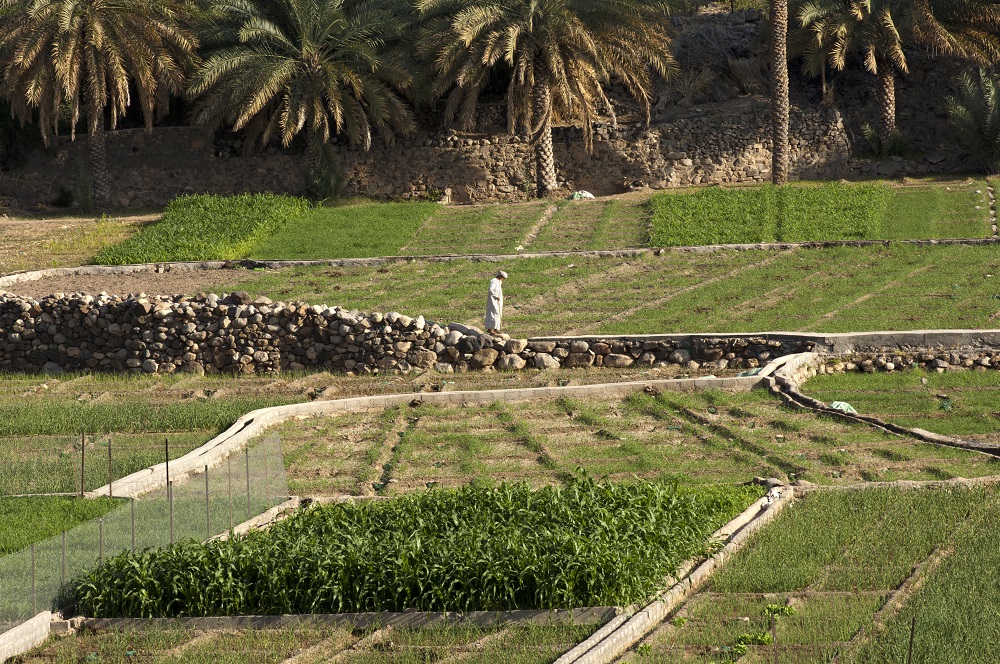
1. A society of creative individuals
The programmeaims to develop the capabilities of Omani nationals, give them a strong sense of identity, and boost family and community health and well-being.
“This pillar aims at upholding heritage, genuine traditions and the Omani identity built on the tolerant Islamic values, as the basis for Omanis to deal with globalisation and its variables, and to interact with other societies of diverse cultures and values,” according to the Oman Vision 2040 document.
Key national priorities within this pillar are:education, learning, scientific research and national capabilities; health; citizenship, identity, national heritage and culture; and well-being and social protection.
2. A competitive economy
The Sultanate’s ambition to create a diversified economy spearheaded by the private sector has been codified in the Oman Vision 2040 initiative.
Thepillar focuses prominently on achieving economic diversification in a way that ensures continued economic growth in the next phase of the country’s development, as global demand for oil, its key export, faces structural decline.
The programme aims to raise the economic standards of all the governorates, and leverage their strengths by utilising their natural resources. The programmeincludes building liveable cities with strong digital infrastructure and transport links connecting the country with its neighbours to facilitate trade and investment.
Key priorities of the pillar include: economic leadership and management; economic diversification and fiscal sustainability; labour market and employment; the private sector, investment, and international co-operation; and development of governorates and sustainable cities.
3. Environment and natural resources
Preserving the environment will be a central tenet of all major infrastructure ambitions to ensure Oman’s great natural ecology and heritage are preserved.
Oman is also keen to embed ecological protections in its planning process and is adopting new technologies in sectors, such as utilities and agriculture, to achieve water and food security. The Sultanate is also turning to alternative energy sources to build sustainable, ecological systems, and alleviate pressures on fiscal management, the Oman Vision 2040 document noted.
4. A state with a responsible apparatus
The above three pillars cannot be achieved without the rule of law, clear guidelines set by the government and a business-friendly public sector.
“The aim of this pillar is to enhance the effectiveness of governance and the rule of law, improve the efficiency of government agencies, increase co-ordination among them, and enhance citizens’ confidence by creating an institutional framework that enacts laws and practices for defining the links and interactions between the concerned parties and for helping the creation of an effective and transparent accountability system,” according to the Vision 2040 document.
The key priorities within the pillar are:governance of state’s administrative bodies, resources and projects; and legislative, judicial and oversight system.
The document concludes that Oman has the opportunity to achieve a number of its national developmental objectives.
This will be achieved through sound and positive guidance, systematic evidence-based planning, diversification of the economy and revenue sources, and gradual government withdrawal from providing public services.
“Instead, the government will act as a regulator and catalyst for active partnerships with the private sector and the civil society," the document noted.
“This partnership builds on good governance aiming at developing education, empowering talents and utilising the scientific and technical progress to improve efficiency and productivity, especially after that the enormous growth had created new markets and given rise to the knowledge-based economy.”
 Share Now